Besøgstider08:30 AM – 08:30 PM
|Onsdag, Juli 29, 2026USA, Californien, San Francisco Bay, Alcatraz Island
Tilbage til history
architecture
Alcatraz Cellhouse Guide: Blocks A–D & Isolation
Explore the Alcatraz Cellhouse: what each block held, where isolation was, and what to look for on your visit.
1/18/2025
17 min read
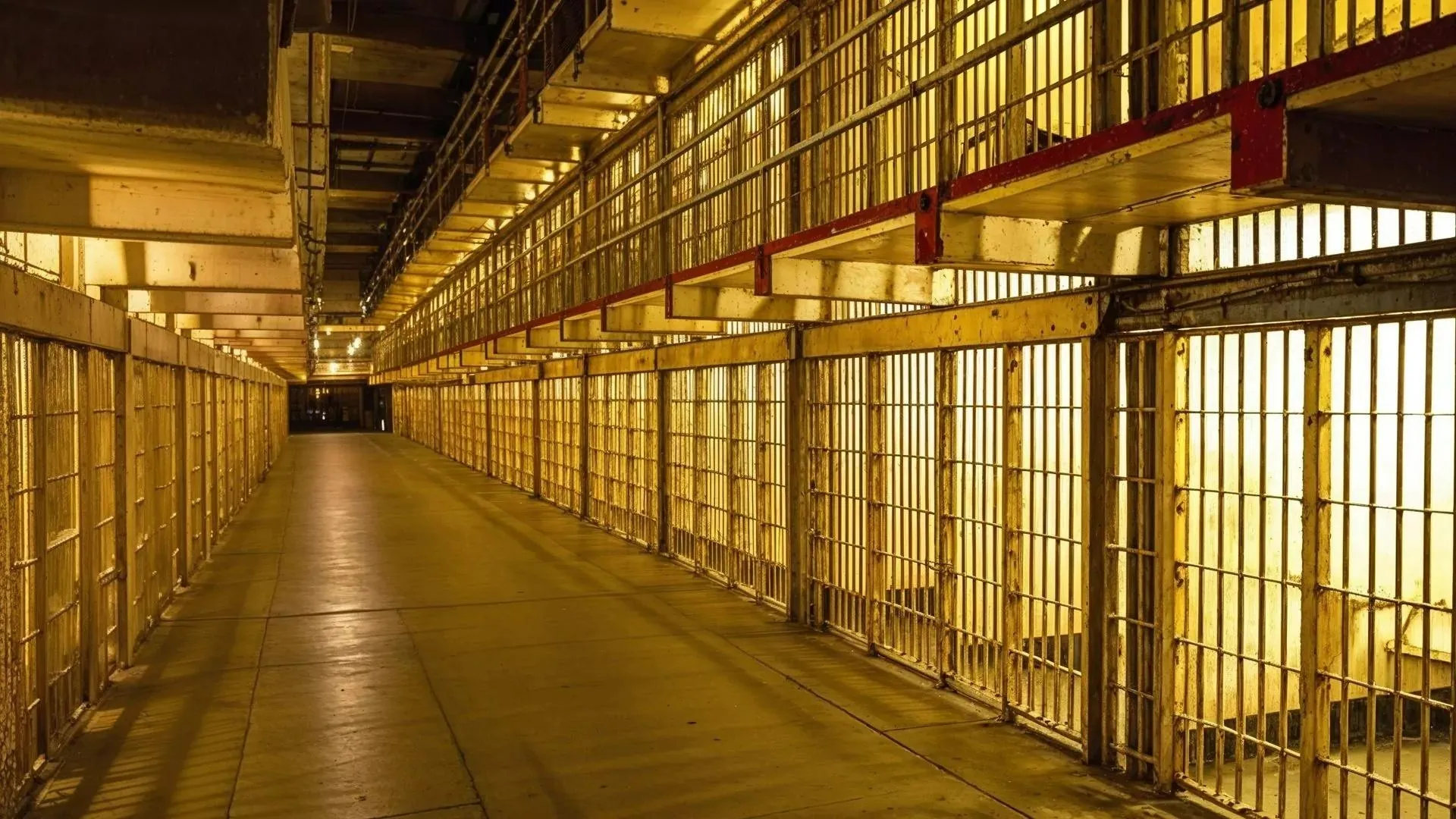
The Cellhouse is the heart of every Alcatraz story — rows, tiers, echoes, and iron discipline.
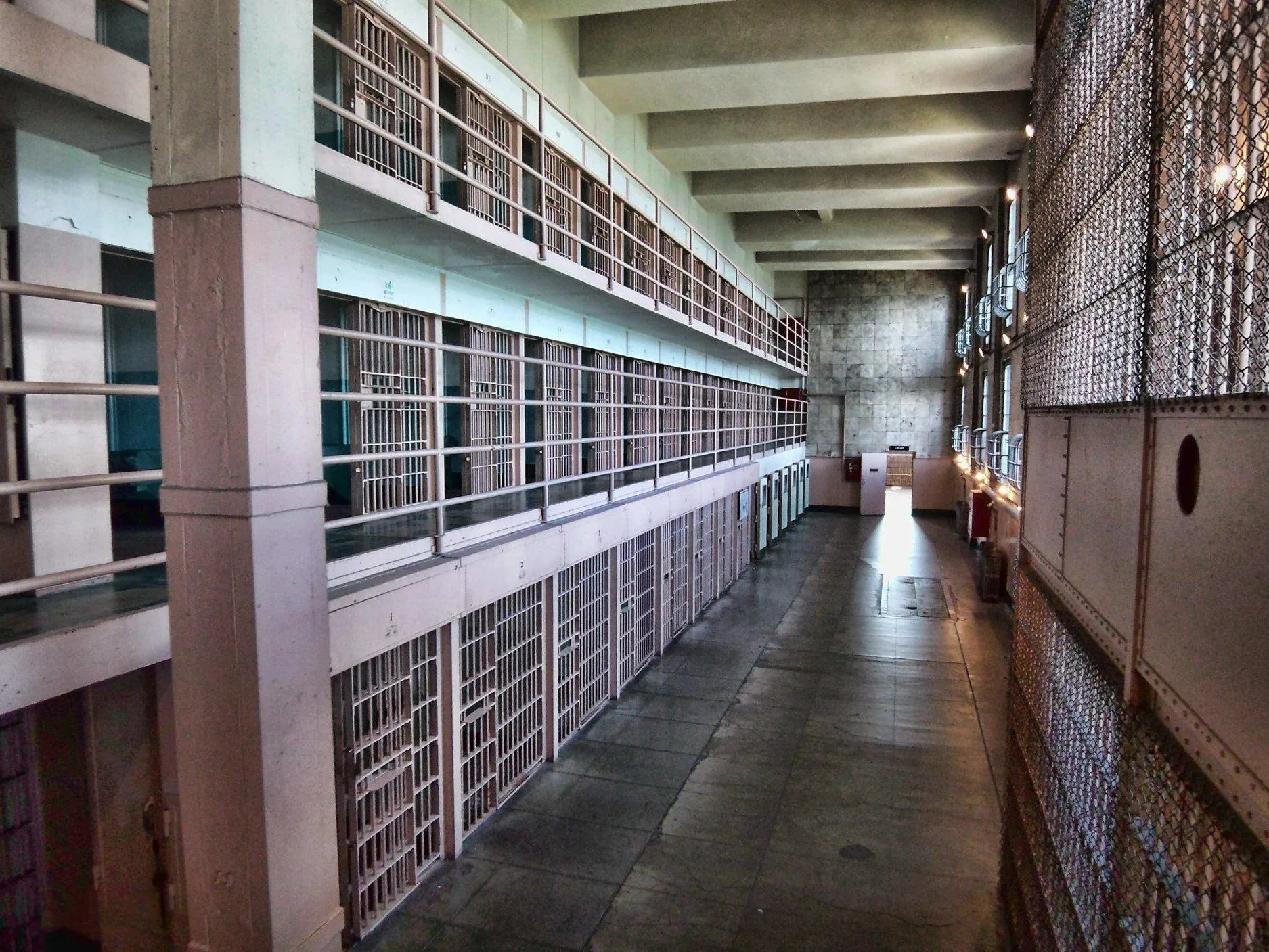
Orientation: Blocks A–D at a Glance
| Block | Role | What to Notice |
|---|---|---|
| A‑Block | Early/overflow uses over time | Narrower feel, older fittings |
| B‑Block | General population | Repetition, numbering, wear on bars |
| C‑Block | General population | Similar to B, listen for audio tour cues |
| D‑Block | Isolation & punishment | Heavier doors, light control, “the Hole” |
The Golden Corridor
- Spine of movement: counts, escorts, and transfers flowed here.
- Lines of sight: note angles to gun galleries and key doorways.
- Acoustics: a single shuffle carries, conversations don’t stay private.
Isolation: The Edge of Silence
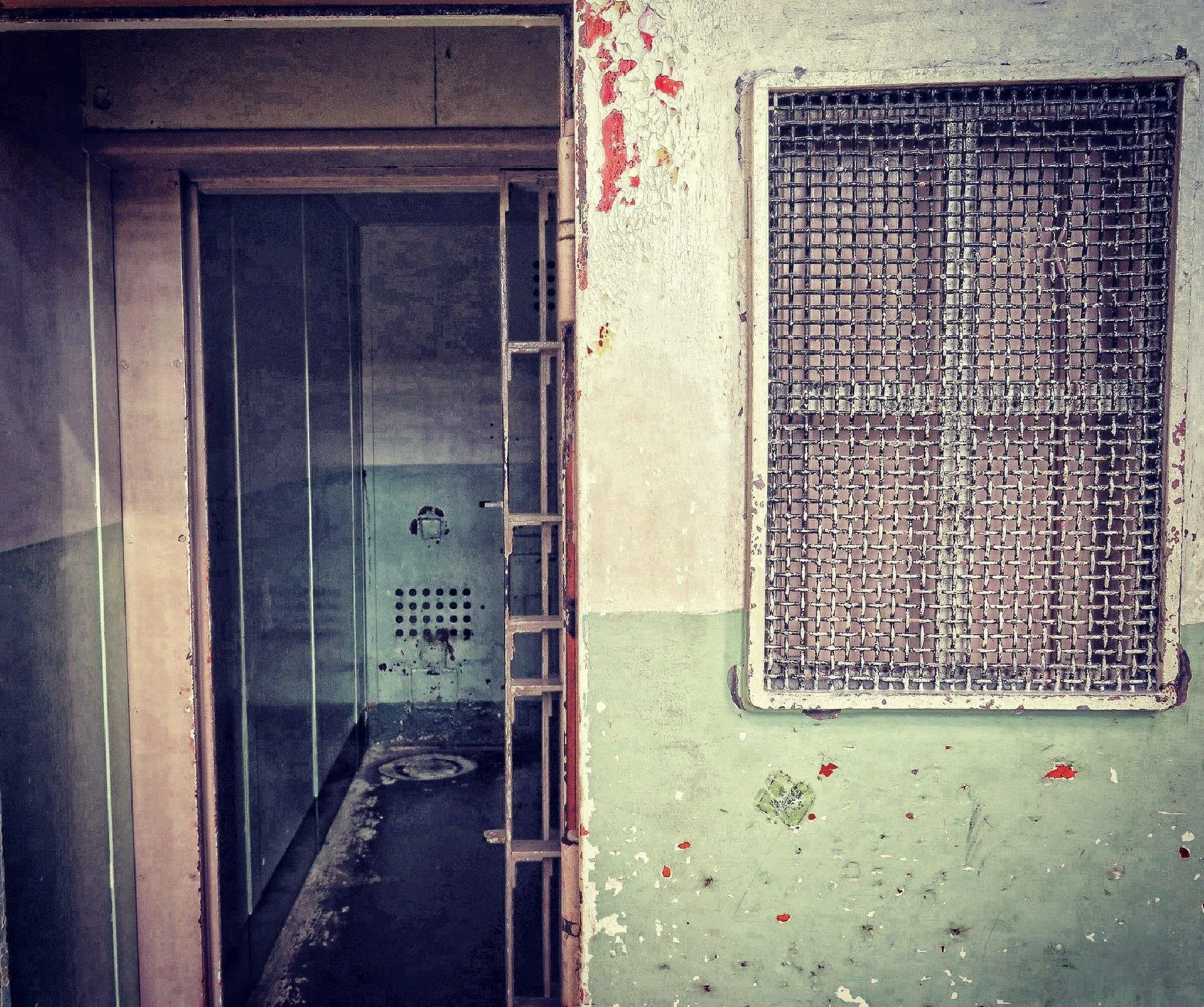
Visitor tip: Stand still for 10 seconds by the solid‑door cells; feel how the sound disappears.
- “Strip cells” had minimal fixtures and strict light control.
- Time served here was measured in hours and behavior, not comfort.
- Stories from former inmates anchor the audio tour’s most sobering moments.
Typical Visitor Route
- Headphones on at Cellhouse entry; pause at B‑Block.
- Cross to C‑Block and the Golden Corridor.
- Turn toward D‑Block for the isolation sequence.
- Exit to the Yard overlook and exterior catwalks.
What to Look For
- Paint layers revealing maintenance cycles.
- Wear grooved into flooring at gate bottlenecks.
- Number plates, slot doors, and door hardware.
Quick FAQs
- Can you enter the cells? Often yes for standard cells; isolation access varies by day.
- Is photography allowed? Yes, no tripods in crowded aisles; be mindful of flash.
Om forfatteren

Alcatraz Historian
For en enklere, rigere og mere mindeværdig Alcatraz‑dag — lige‑til‑sagen tips fra gentagne besøg.
Tags
Cellhouse
A Block
D Block
Isolation
Comments (0)
Leave a Comment
Loading comments...