The Rock in the Bay
From lighthouse beam to locked cells, discover the layered past of America’s most storied island prison.
Table of Contents
Origins of Alcatraz Island

Long before concrete cellblocks, Alcatraz was a strategic outcrop in the cold, tidal waters of San Francisco Bay. In the 1850s, the U.S. military erected a lighthouse — the first on the West Coast — and fortified the island with cannon batteries to guard the Golden Gate during a time of booming Gold Rush commerce.
Military prisoners began arriving in the late 19th century. The island’s isolation, fierce currents, and frigid water made it a ready‑made cage. By the early 1900s, Alcatraz had a reputation: windswept, austere, and unyielding — a place where the rules of the mainland felt far away.
From fort to federal penitentiary

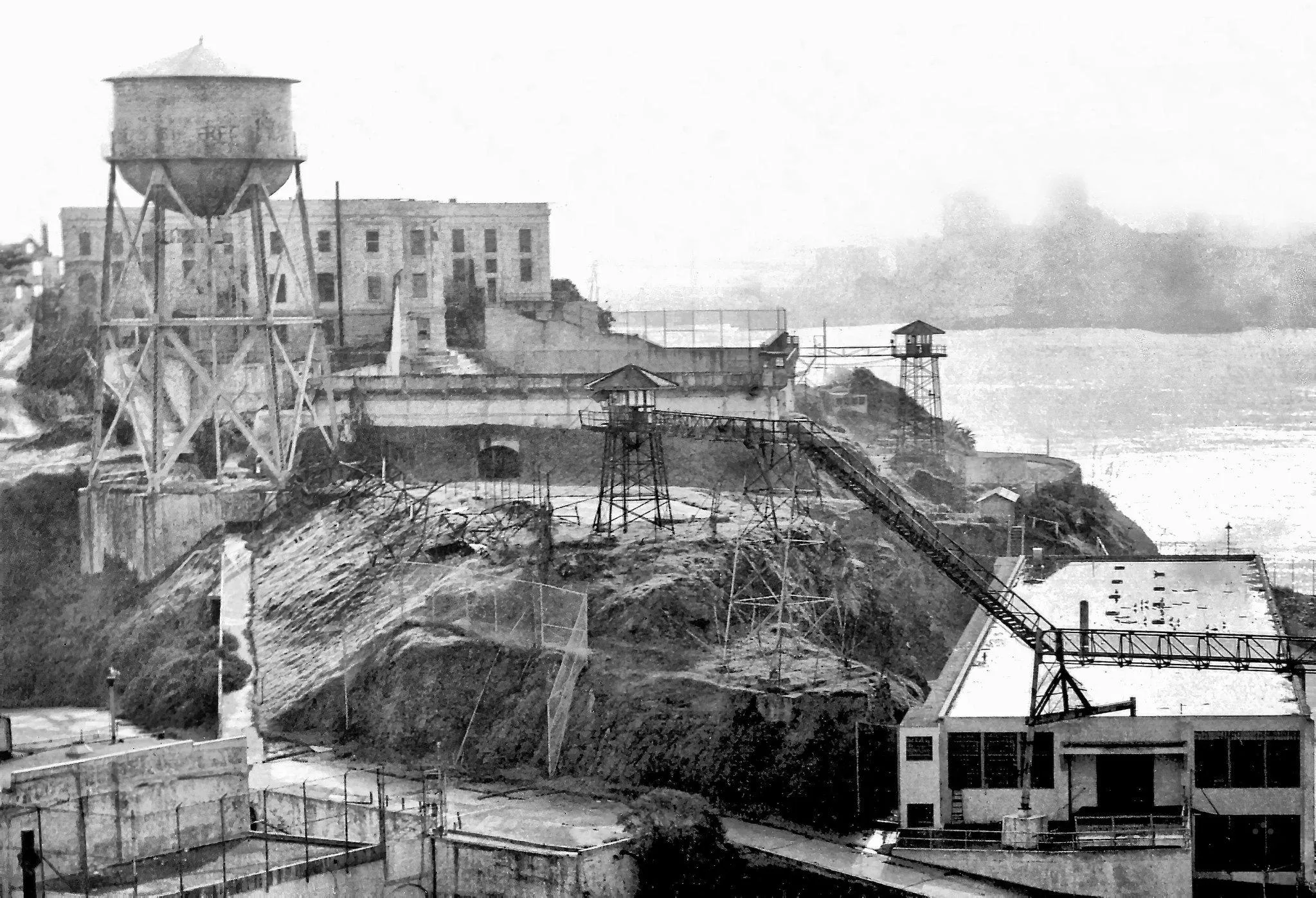
In 1934, as the nation grappled with violent crime, the Department of Justice transformed Alcatraz into a maximum‑security federal penitentiary built to hold the “worst of the worst.” The Cellhouse rose above the rock like a concrete citadel, layered with steel, surveillance, and routines designed to break criminal networks — not just men.
For nearly three decades, Alcatraz held bank robbers, gang figures, and escape artists under an exacting code: silence during meals, precise work details, and cells scarcely wider than an outstretched arm. Yet even in this strict order came moments of humanity — a book borrowed from the library, a saxophone note drifting down a tier, foghorns rumbling through the night.
Life inside: inmates, officers, and routines
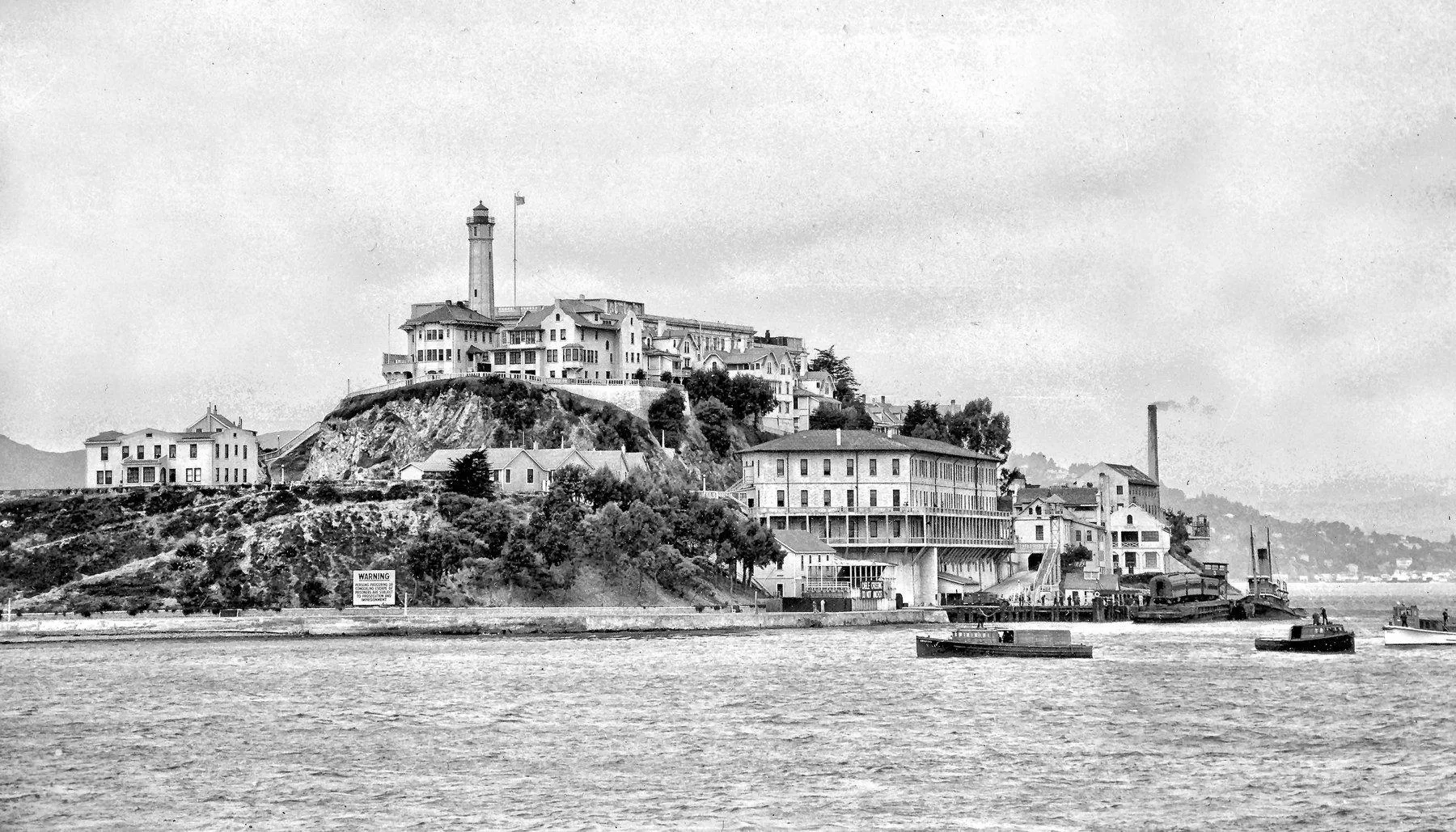
Daily life followed a clockwork rhythm. Mornings began with metal clatter and footsteps; days were measured in chores, workshops, and carefully monitored recreation. Officers rotated posts across galleries, yard, and towers, vigilant in a place shaped by tension and proximity — every key turn an exercise in choreography.
Some inmates earned privileges — instruments, classes, or coveted kitchen duty — while others spent long stretches in D‑Block isolation, listening to foghorns and counting heartbeats between guard rounds. Stories of escape — from meticulous spoon‑scraped walls to the notorious 1962 breakout — still haunt the corridors and spark debates about the bay’s frigid, fast water.
Exhibits and the Cellhouse Audio Tour

The award‑winning audio tour leads you through the main corridors — Broadway, Michigan Avenue, Times Square — with former officers and inmates narrating. Their voices turn rusted locks into living artifacts, guiding you past the dining hall, library, and the segregation cells where light and time seemed to slow.
Exhibits across the island add context: guard tools, prisoner crafts, escape maps, and photographs that humanize a place known for myth. Seasonal displays and rotating features highlight lesser‑known chapters, from family life on the island to the ingenuity of prison labor.
Island life, lighthouse, and views

Beyond the Cellhouse, Alcatraz is a place of wind and salt — gulls wheeling overhead, cormorants nesting on cliffs, and the white lighthouse standing sentinel. Families once lived here: officers’ children rode bicycles on concrete paths, tended gardens, and watched the city glitter across the water.
Today, visitors wander to overlooks framing the Golden Gate Bridge and the downtown skyline, hearing the unmistakable thunk of the bay against pilings. On foggy afternoons, the island feels suspended in its own weather; at sunset, the city lights kindle like a distant constellation.
Ranger talks and special tours

Ranger‑led talks unpack escape attempts, daily life, and the island’s military roots, while night tours add intimate programs and moody corridors. Behind the Scenes departures often share lightly traveled routes, restoration work, and stories best told in small groups.
Whether you explore on your own or join a program, the island rewards curiosity — details hide in plain sight: worn stair treads, hand‑painted signs, and garden terraces that still bloom in the wind.
Ferries, timing, and routes
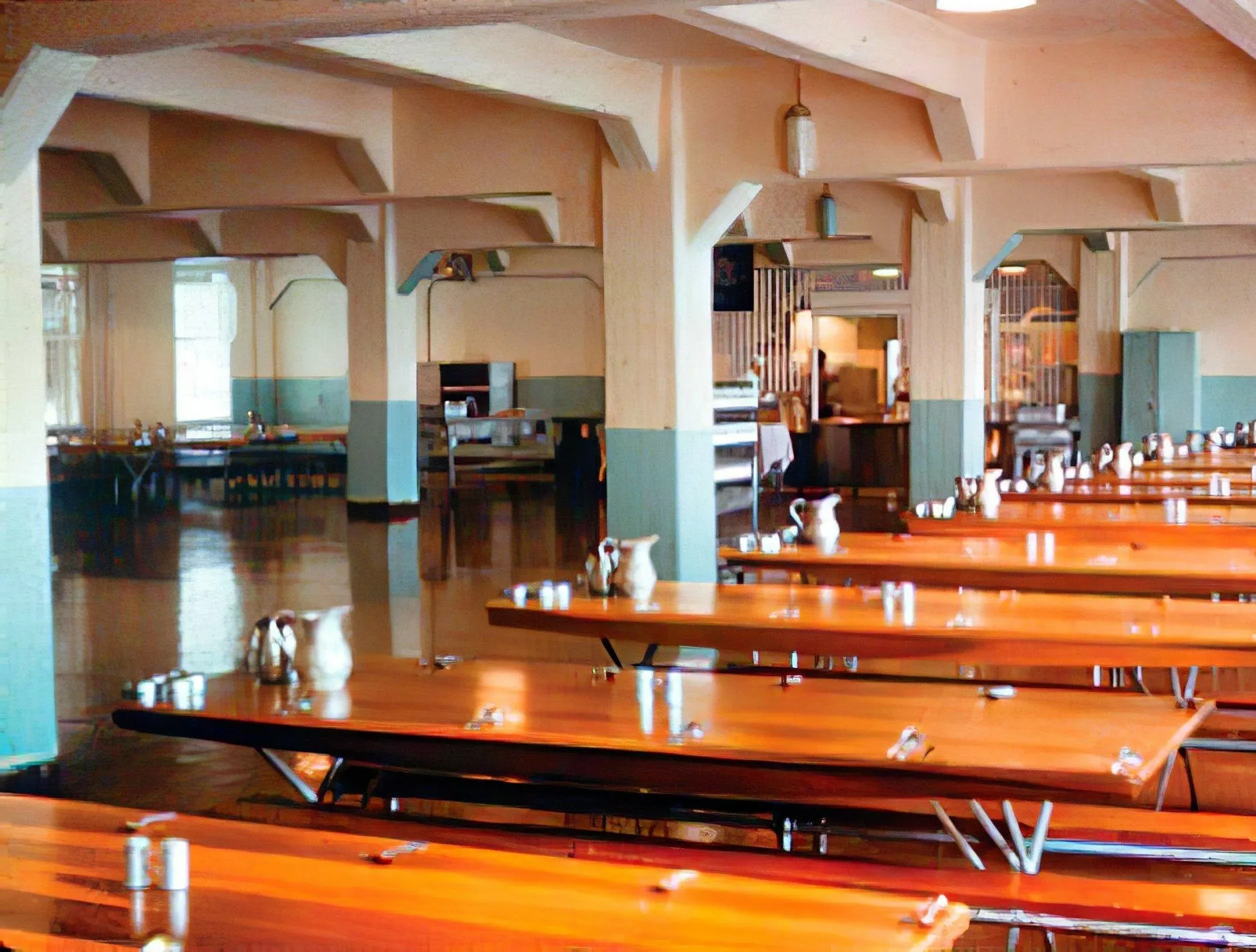
Boats depart from Pier 33 Alcatraz Landing on The Embarcadero. Morning ferries feel quieter; midday is busiest; evening departures trade crowds for atmosphere and city glow.
Your ticket includes the round‑trip ferry and island access for the selected tour. Return boats run regularly — linger for views, but confirm the day’s last departure time before you climb the hill.
Safety & accessibility
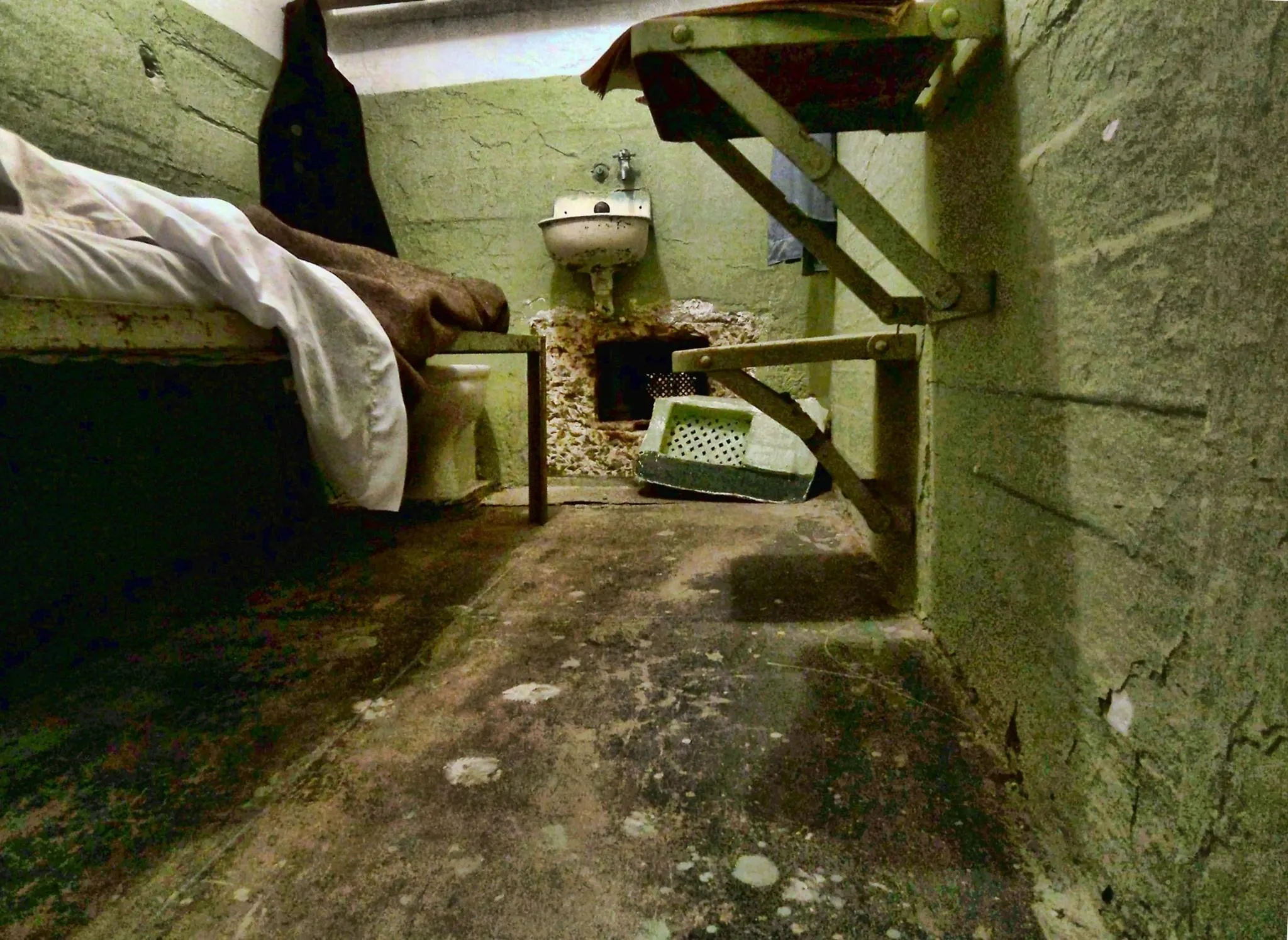
The main route from dock to Cellhouse is steep. The SEAT tram provides accessible transport up and down the hill. Inside, elevators and ramps assist movement through the Cellhouse and key exhibits.
Wear sturdy shoes, bring layers, and watch for seabirds and uneven surfaces. In heavy wind, fog, or rain, conditions shift quickly — check updates on the day of your visit.
Protests and the Native American occupation
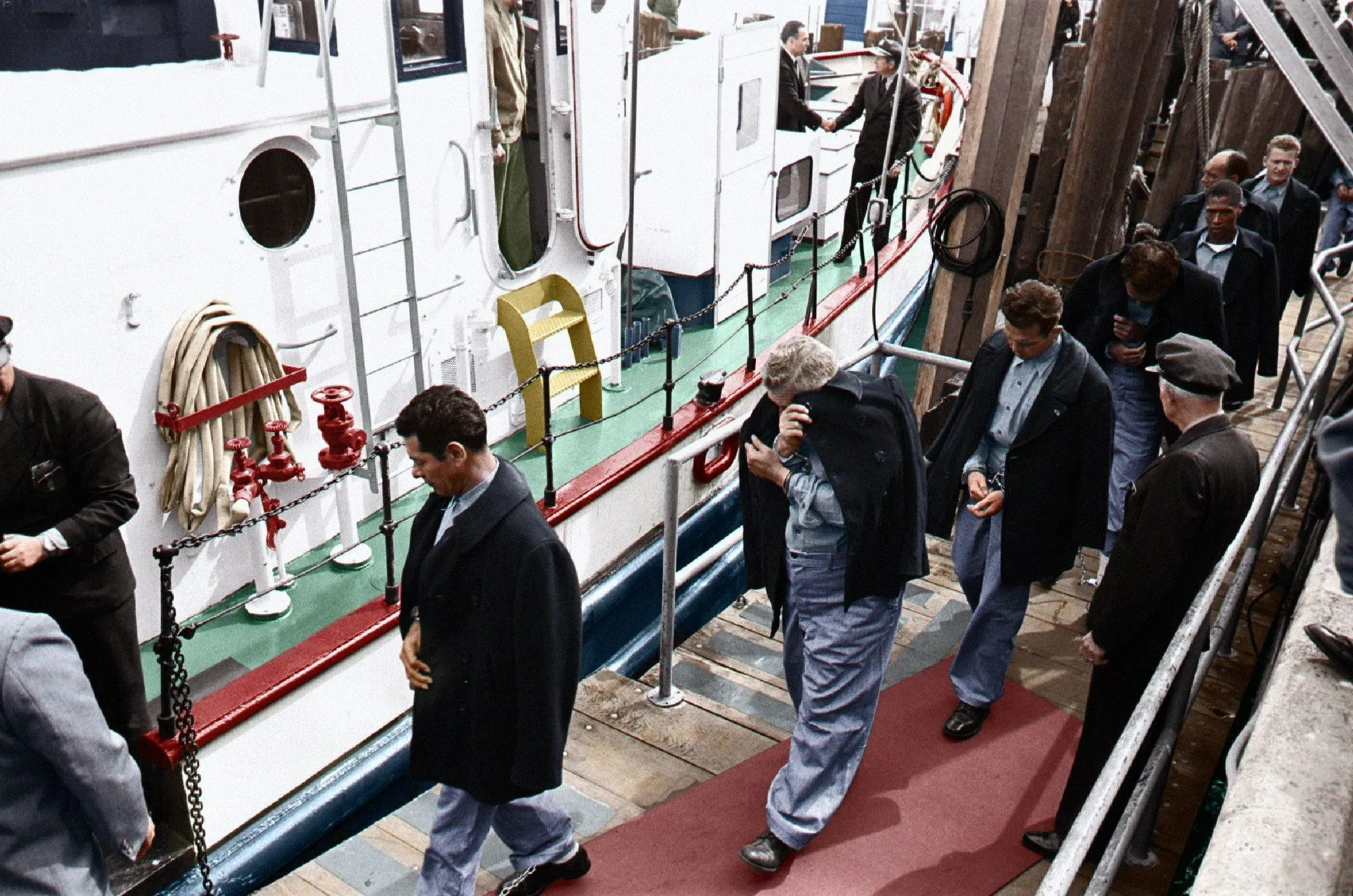
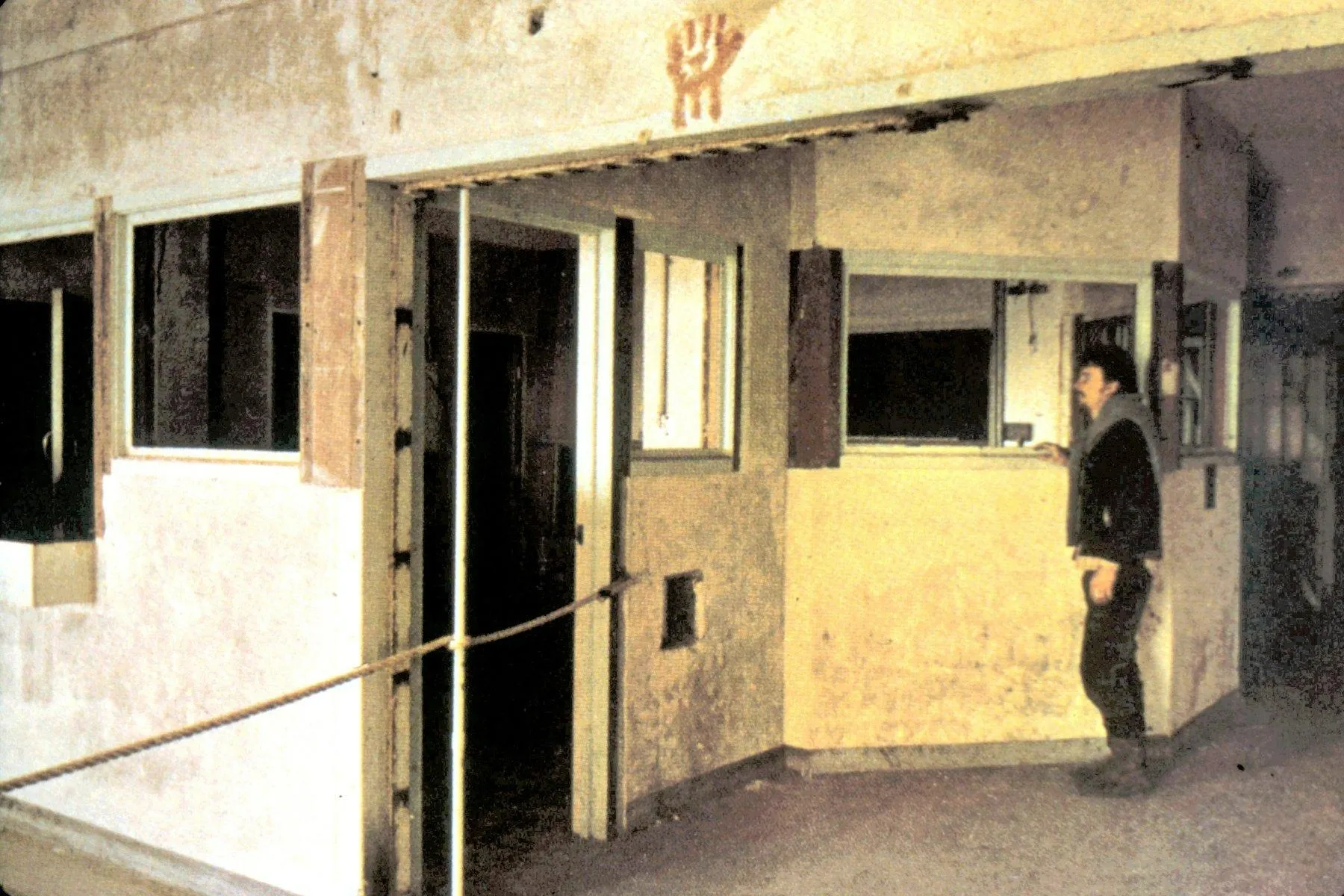
After the prison closed in 1963, Alcatraz entered a new chapter. In 1969, Native American activists occupied the island, asserting treaty rights and demanding a center for Indigenous education and culture. For nineteen months, their presence turned an abandoned prison into a national conversation about sovereignty, justice, and identity.
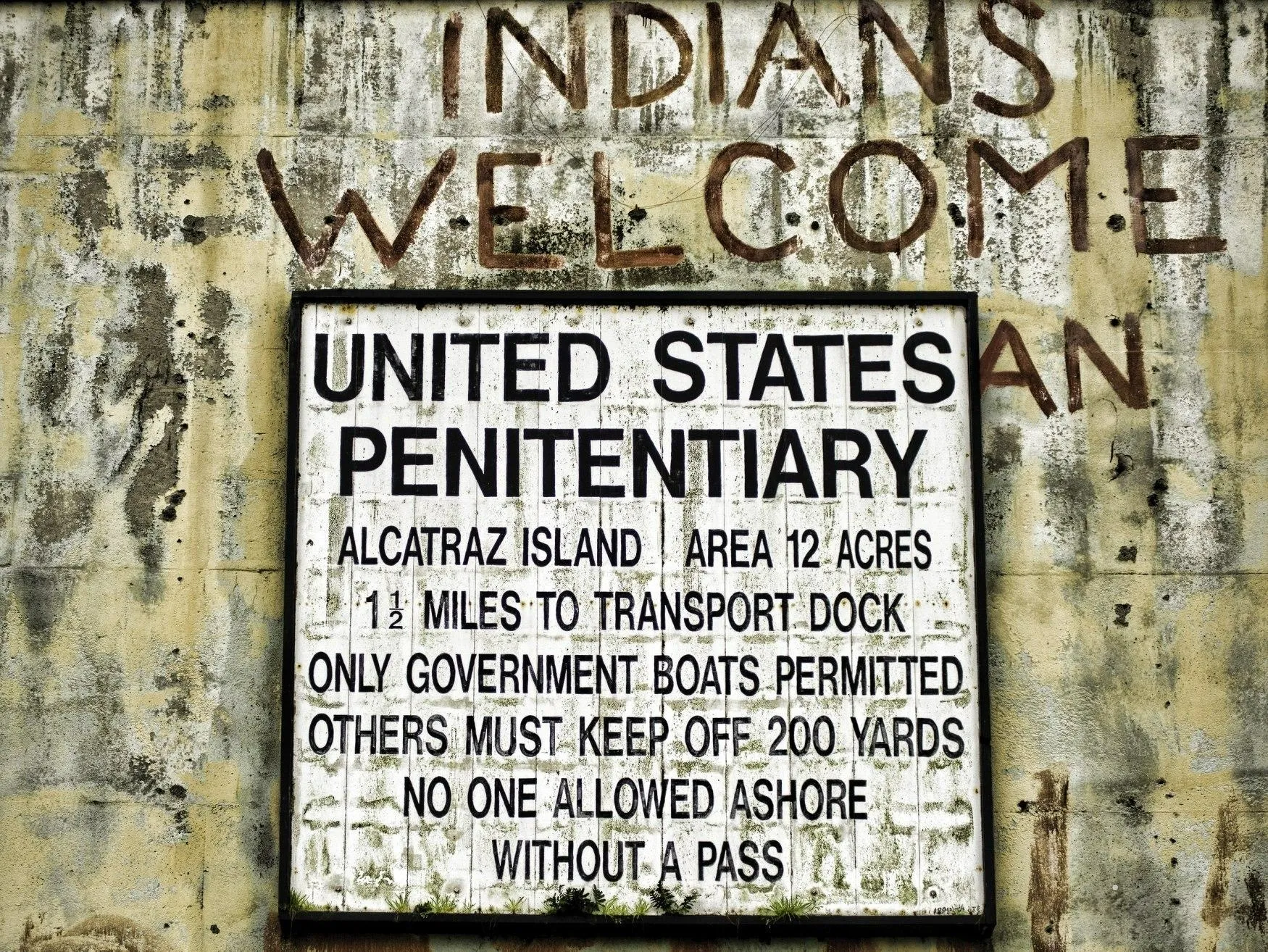
The occupation ended in 1971, but its legacy reshaped federal policy, ushering in an era of tribal self‑determination. The words “Indians Welcome,” still visible on the dock, are not just paint — they are a reminder that history evolves, and that the island’s most transformative era may have been one without cells in use.
Tickets, tour types & passes
Reserve Day, Night, Early Bird, or Behind the Scenes tours online. Timed ferries manage capacity; choose a departure that matches your pace and interests.
National Park passes don’t include Alcatraz ferry service. Combo options may package nearby attractions, but always verify inclusions and language availability before booking.
Preservation, wildlife & sustainability
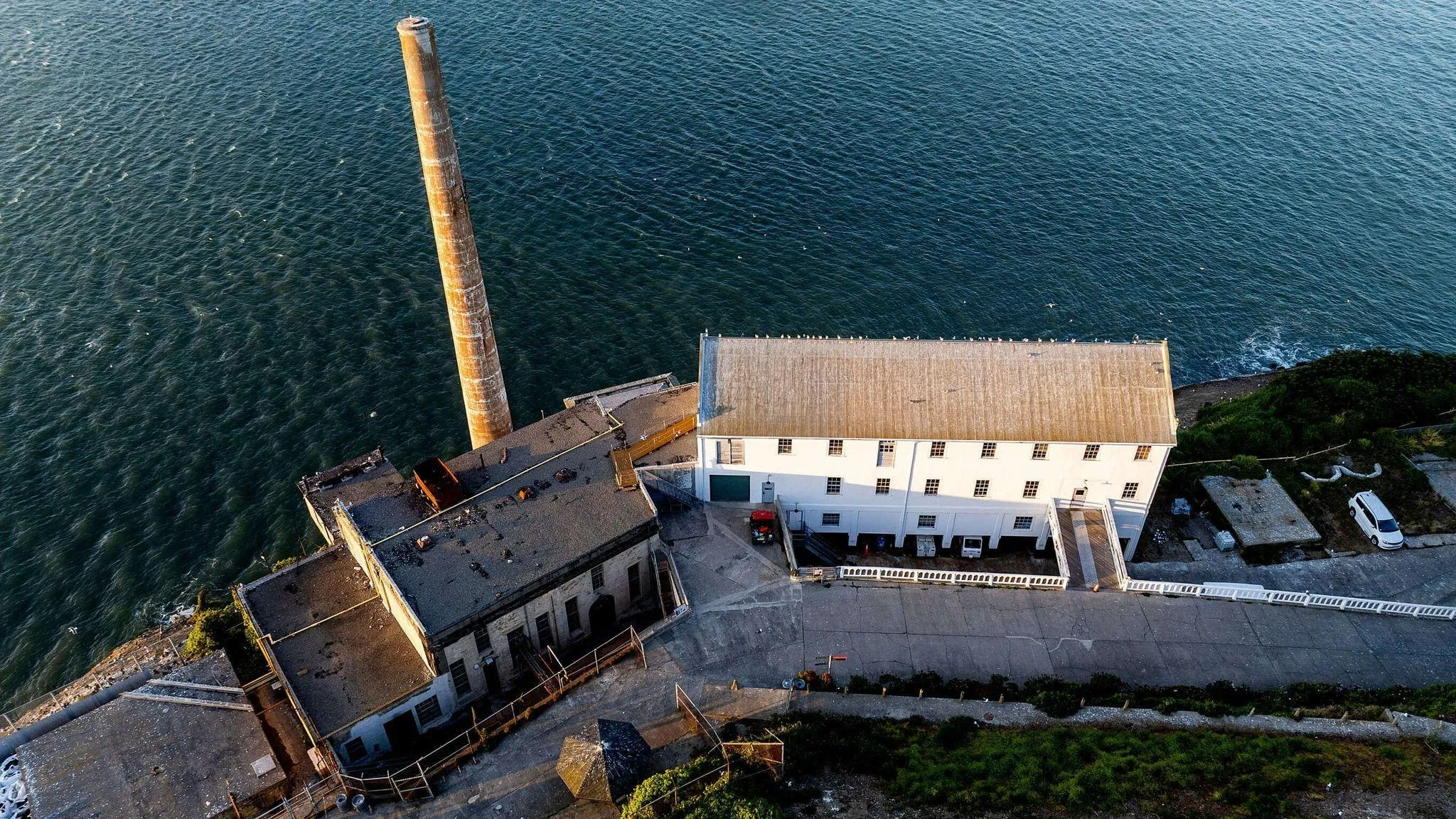
Ongoing preservation stabilizes concrete, steel, and brick against harsh salt air, while habitat protection supports gulls, cormorants, and brandt’s cormorants that nest on cliffs and rooftops.
By following posted routes, respecting closures during nesting season, and packing out trash, visitors help protect both the island’s stories and its living community.
Nearby Angel Island & bay landmarks
Angel Island — Ellis Island of the West — offers immigration station history and hilltop trails. On the water, look for the Bay Bridge, Coit Tower, and the Golden Gate arching toward the Pacific.
From Alcatraz overlooks, you can trace shipping lanes, watch sailboats tack, and see how tides and wind shape every journey on the bay.
Why this island matters
Alcatraz compresses American history into a single windswept stage: military ambition, criminal justice, protest, and ecological renewal — all within sight of a great city.
A visit reveals more than myths. It connects you to voices that echo off concrete and across water, reminding us that places can hold both hardship and hope.
Table of Contents
Origins of Alcatraz Island
Long before concrete cellblocks, Alcatraz was a strategic outcrop in the cold, tidal waters of San Francisco Bay. In the 1850s, the U.S. military erected a lighthouse — the first on the West Coast — and fortified the island with cannon batteries to guard the Golden Gate during a time of booming Gold Rush commerce.
Military prisoners began arriving in the late 19th century. The island’s isolation, fierce currents, and frigid water made it a ready‑made cage. By the early 1900s, Alcatraz had a reputation: windswept, austere, and unyielding — a place where the rules of the mainland felt far away.
From fort to federal penitentiary
In 1934, as the nation grappled with violent crime, the Department of Justice transformed Alcatraz into a maximum‑security federal penitentiary built to hold the “worst of the worst.” The Cellhouse rose above the rock like a concrete citadel, layered with steel, surveillance, and routines designed to break criminal networks — not just men.
For nearly three decades, Alcatraz held bank robbers, gang figures, and escape artists under an exacting code: silence during meals, precise work details, and cells scarcely wider than an outstretched arm. Yet even in this strict order came moments of humanity — a book borrowed from the library, a saxophone note drifting down a tier, foghorns rumbling through the night.
Life inside: inmates, officers, and routines
Daily life followed a clockwork rhythm. Mornings began with metal clatter and footsteps; days were measured in chores, workshops, and carefully monitored recreation. Officers rotated posts across galleries, yard, and towers, vigilant in a place shaped by tension and proximity — every key turn an exercise in choreography.
Some inmates earned privileges — instruments, classes, or coveted kitchen duty — while others spent long stretches in D‑Block isolation, listening to foghorns and counting heartbeats between guard rounds. Stories of escape — from meticulous spoon‑scraped walls to the notorious 1962 breakout — still haunt the corridors and spark debates about the bay’s frigid, fast water.
Exhibits and the Cellhouse Audio Tour
The award‑winning audio tour leads you through the main corridors — Broadway, Michigan Avenue, Times Square — with former officers and inmates narrating. Their voices turn rusted locks into living artifacts, guiding you past the dining hall, library, and the segregation cells where light and time seemed to slow.
Exhibits across the island add context: guard tools, prisoner crafts, escape maps, and photographs that humanize a place known for myth. Seasonal displays and rotating features highlight lesser‑known chapters, from family life on the island to the ingenuity of prison labor.
Island life, lighthouse, and views
Beyond the Cellhouse, Alcatraz is a place of wind and salt — gulls wheeling overhead, cormorants nesting on cliffs, and the white lighthouse standing sentinel. Families once lived here: officers’ children rode bicycles on concrete paths, tended gardens, and watched the city glitter across the water.
Today, visitors wander to overlooks framing the Golden Gate Bridge and the downtown skyline, hearing the unmistakable thunk of the bay against pilings. On foggy afternoons, the island feels suspended in its own weather; at sunset, the city lights kindle like a distant constellation.
Ranger talks and special tours
Ranger‑led talks unpack escape attempts, daily life, and the island’s military roots, while night tours add intimate programs and moody corridors. Behind the Scenes departures often share lightly traveled routes, restoration work, and stories best told in small groups.
Whether you explore on your own or join a program, the island rewards curiosity — details hide in plain sight: worn stair treads, hand‑painted signs, and garden terraces that still bloom in the wind.
Ferries, timing, and routes
Boats depart from Pier 33 Alcatraz Landing on The Embarcadero. Morning ferries feel quieter; midday is busiest; evening departures trade crowds for atmosphere and city glow.
Your ticket includes the round‑trip ferry and island access for the selected tour. Return boats run regularly — linger for views, but confirm the day’s last departure time before you climb the hill.
Safety & accessibility
The main route from dock to Cellhouse is steep. The SEAT tram provides accessible transport up and down the hill. Inside, elevators and ramps assist movement through the Cellhouse and key exhibits.
Wear sturdy shoes, bring layers, and watch for seabirds and uneven surfaces. In heavy wind, fog, or rain, conditions shift quickly — check updates on the day of your visit.
Protests and the Native American occupation
After the prison closed in 1963, Alcatraz entered a new chapter. In 1969, Native American activists occupied the island, asserting treaty rights and demanding a center for Indigenous education and culture. For nineteen months, their presence turned an abandoned prison into a national conversation about sovereignty, justice, and identity.
The occupation ended in 1971, but its legacy reshaped federal policy, ushering in an era of tribal self‑determination. The words “Indians Welcome,” still visible on the dock, are not just paint — they are a reminder that history evolves, and that the island’s most transformative era may have been one without cells in use.
Tickets, tour types & passes
Reserve Day, Night, Early Bird, or Behind the Scenes tours online. Timed ferries manage capacity; choose a departure that matches your pace and interests.
National Park passes don’t include Alcatraz ferry service. Combo options may package nearby attractions, but always verify inclusions and language availability before booking.
Preservation, wildlife & sustainability
Ongoing preservation stabilizes concrete, steel, and brick against harsh salt air, while habitat protection supports gulls, cormorants, and brandt’s cormorants that nest on cliffs and rooftops.
By following posted routes, respecting closures during nesting season, and packing out trash, visitors help protect both the island’s stories and its living community.
Nearby Angel Island & bay landmarks
Angel Island — Ellis Island of the West — offers immigration station history and hilltop trails. On the water, look for the Bay Bridge, Coit Tower, and the Golden Gate arching toward the Pacific.
From Alcatraz overlooks, you can trace shipping lanes, watch sailboats tack, and see how tides and wind shape every journey on the bay.
Why this island matters
Alcatraz compresses American history into a single windswept stage: military ambition, criminal justice, protest, and ecological renewal — all within sight of a great city.
A visit reveals more than myths. It connects you to voices that echo off concrete and across water, reminding us that places can hold both hardship and hope.